
Becoming We
We are trying to solve collective challenges with individual minds. It isn’t working.
Let’s learn a new way.
If we know we need to operate as a "We," why do we keep falling back into patterns that pull us apart?
Today, we face unprecedented challenges.
Climate change, global pandemics, economic inequality, and rapid technological change are deeply interconnected issues. They do not stop at the borders we draw. These challenges require us to function as a collective "We." And yet, we continue to reward individual gain, competition, and short-term outcomes.
Navigating the Unknown
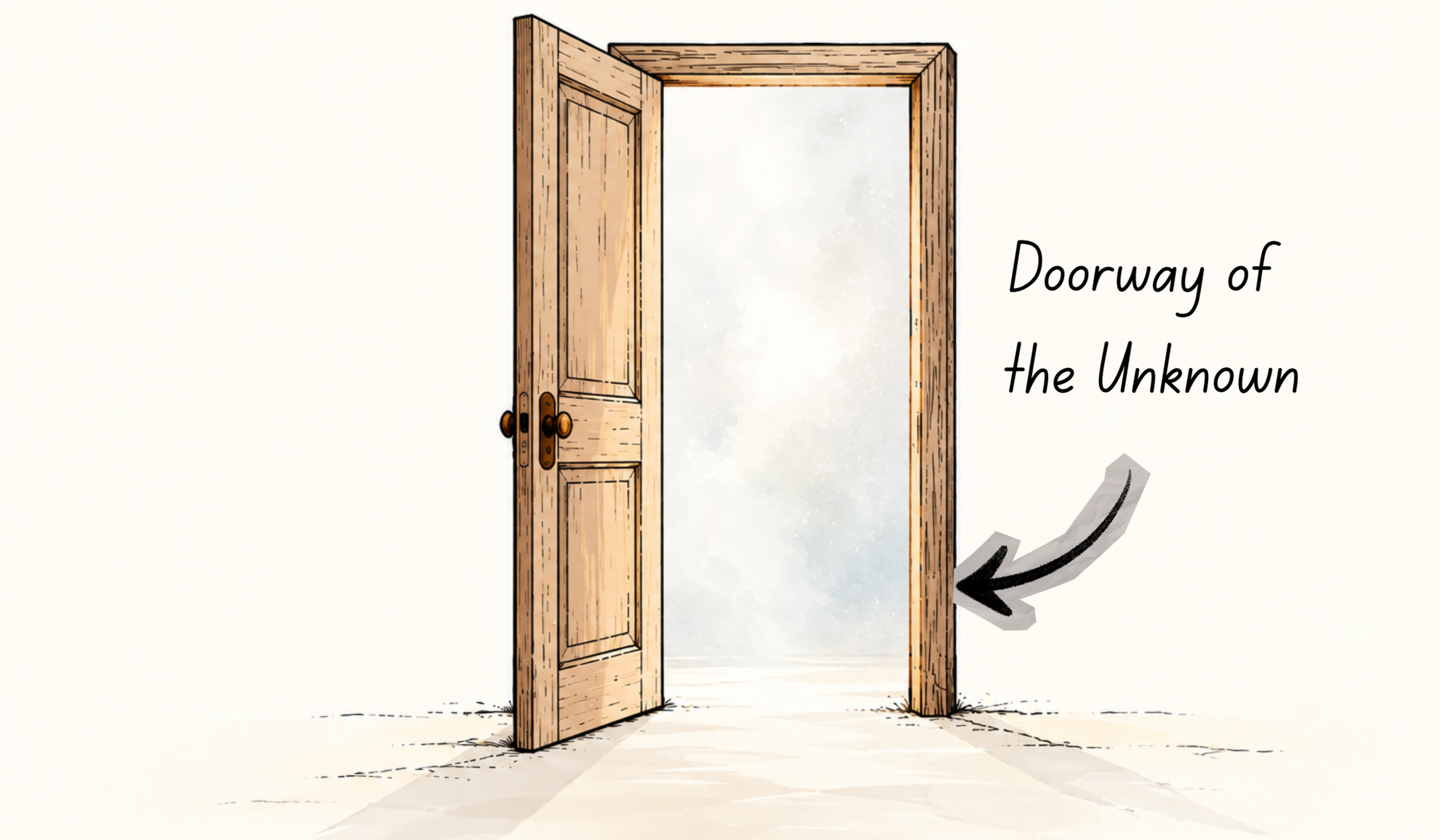
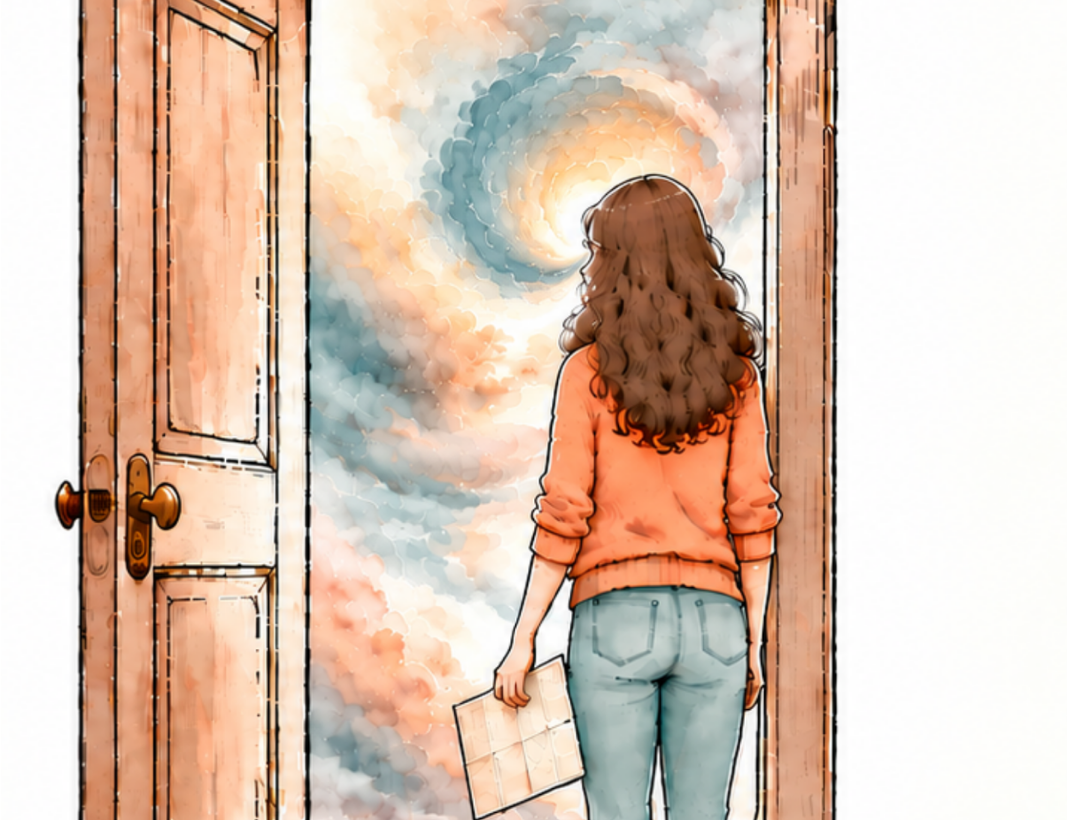
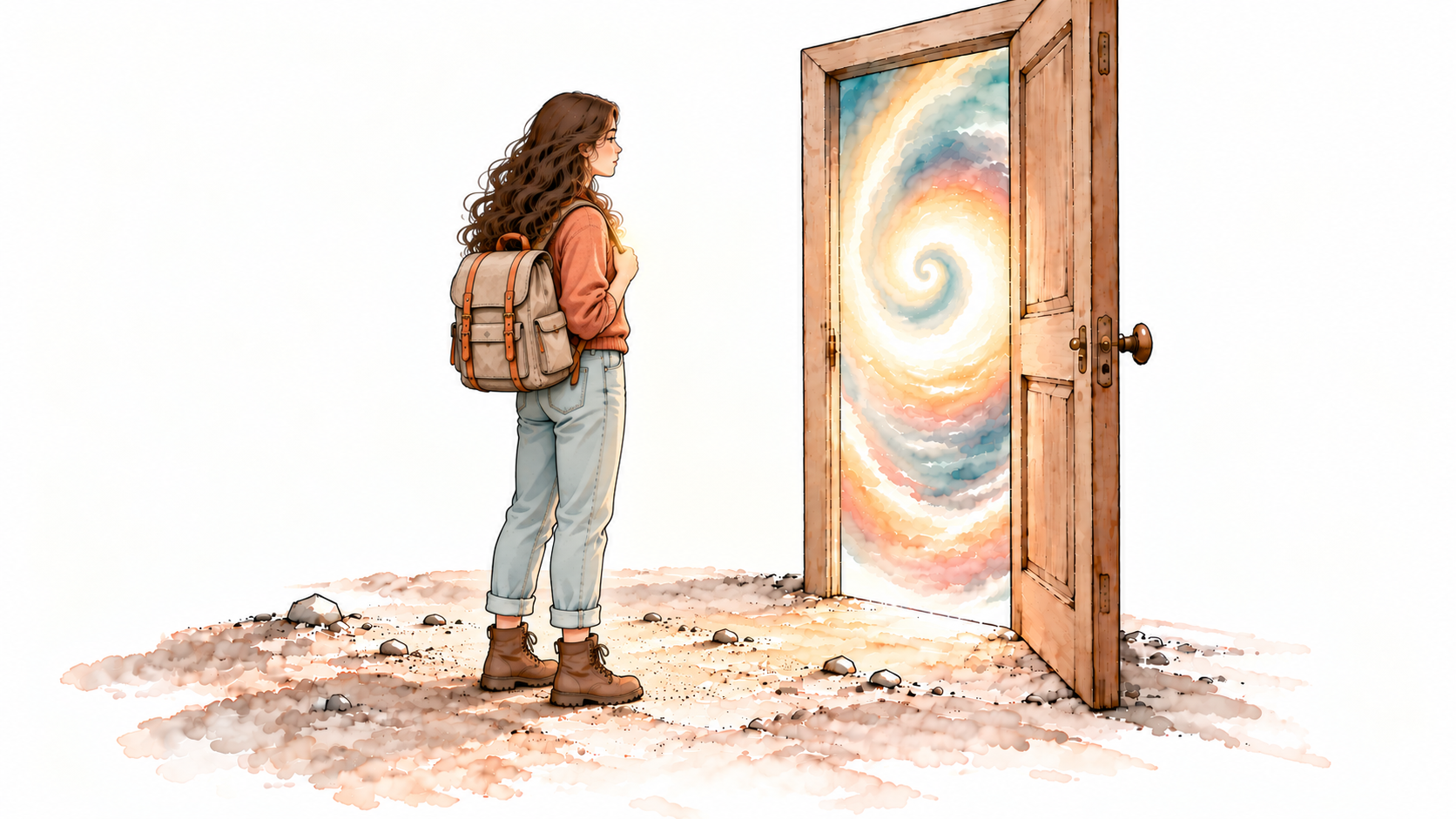
A key part of life is navigating the unexpected. We don't know what's going to happen from moment to moment. It's like standing at the threshold of a doorway, unsure what's waiting on the other side. We call this the Doorway of the Unknown, and right now we're standing at it more often than ever.
While humans have always faced the unknown, the pace of change today is faster than our institutions or our biology were built for. That gap is exhausting, and it helps explain why we keep falling back into old patterns.
The Map of Human Experience
So much of how we experience our lives comes down to our relationship with the unknown.
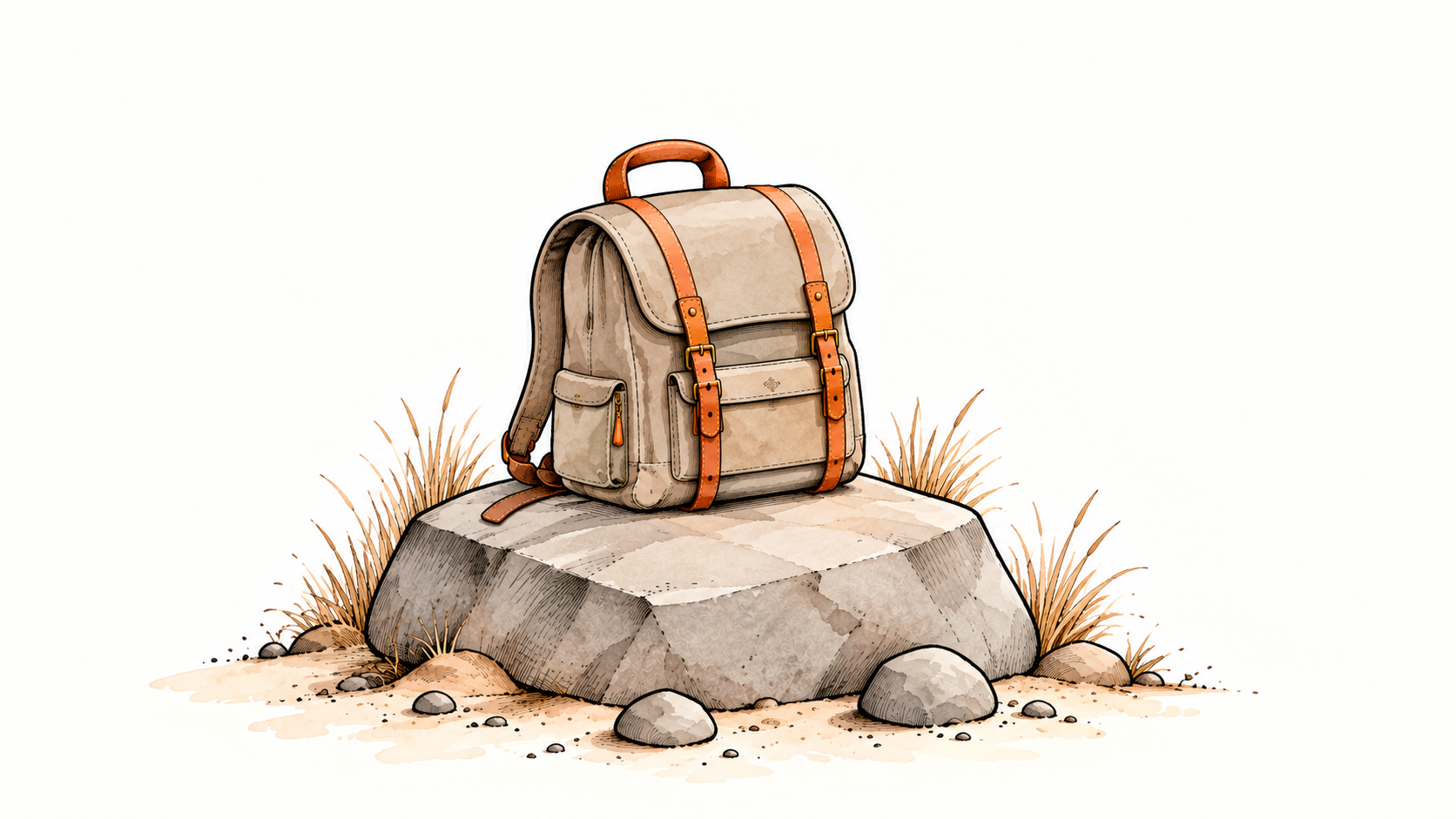
We don't cross the Doorway of the Unknown alone. We have a Navigator. There are two kinds: the Mind and Knowing. Both prepare us for the unexpected by packing a metaphorical backpack with the ingredients we need to either thrive or survive.
Most of us are unaware that these Navigators exist, let alone which ingredients they've packed. And yet, what we carry becomes the experience we have once we cross the doorway.
When the Mind is our only Navigator, it packs ingredients for individual survival, even when the situation requires a collective solution. This is where we are right now. Stuck in a loop. The Map is how we change direction. By seeing the ingredients we carry, we can begin to break the cycle of survival, and start moving toward thriving instead.
See the map and learn what you’re carrying in your backpack.
How to Become We
Our backpacks don't only shape our own experience. They shape everyone else's too. Most of the time, we aren't really talking to each other. We're talking to each other's ingredients. A true "We" isn't everyone agreeing, or anyone disappearing to keep the peace. It's when we can read our own map, recognize the maps of others, and connect with the actual person underneath.
We can't keep hard things from happening. But we can learn a new way to meet the unknown. It unfolds through three movements, each building on the last.
Discover What's in Your Backpack
We can't change what we can't see. Most of the time, we cross the threshold without realizing there's a doorway, a Navigator, or a backpack at all. Discovering what's in our backpack starts with understanding how human experience works, then recognizing the ingredients we tend to carry and the experiences they create.
Practice Pausing at the Doorway
Once we can see the doorway, we can learn to pause at it. That pause is where choice lives. The Navigator decides what goes in the backpack, so the real choice isn't which ingredients to carry. It's which Navigator we let answer.
The Mind answers fast and automatically, so even a brief pause matters. It gives Knowing a chance to answer instead. Like any practice, it gets easier the more we do it.
Be in the World Differently
When Knowing leads, we act from who we are instead of what we fear. The circumstances may not change, but our response does. We listen instead of defend. We offer instead of prove. We stay present instead of bracing for what's next. And more often than not, the people around us begin to respond in kind. Sometimes, things even start to line up in ways we couldn't have planned.
Widening Circles
Over time, these movements become a practice that extends beyond us.
Within Ourselves
Every circle starts here.
The three movements above are the first practice: discovering what we carry, pausing at the doorway, and letting Knowing lead.
One-on-One
The first place we practice is in our closest relationships.
We begin to notice what we bring into a conversation, and to recognize what the other person might be carrying. A sharp comment could be dread. A quick yes might be someone keeping the peace. When we can see the backpack, we can respond to the person rather than the ingredient.
Teams and Groups
From there, the practice expands into small groups.
Under pressure, teams fall into shared patterns. One person's need to be right meets another's need to keep the peace, and soon the whole room is reacting to what everyone is carrying. Better process alone can't fix it, because the shift happens before anyone speaks. When a team can see its patterns together, it can pause together.
Organizations
At the organizational level, the patterns become institutionalized.
Structures, incentives, and culture often reward survival: speed, certainty, performance, and individual success. Practicing We here means noticing how those systems shape which Navigator people reach for, and making room for Knowing in how decisions are made, how information is shared, and how success is defined.
Communities
Beyond organizations, we meet people across real differences.
Communities bring together people with different experiences, values, and histories. The practice here is recognizing that we all stand at the same doorway, even when our backpacks look nothing alike. That recognition lets us hold many viewpoints without collapsing into one or splitting into sides.





This Progression Matters
Each circle builds on the ones before it. It's hard to practice We across a community without first practicing it within ourselves and our closest relationships. But the learning flows both ways: groups are often where we first see our own patterns clearly. At the broadest level, across systems, cultures, and identities, practicing We becomes a collective gift.
Becoming is the practice. We is the destination.
The Work Ahead
Doorways are everywhere. In conversations with partners, friends, and family. In conference rooms at work. In line at the grocery store, or on the sidelines of a kids' soccer game. How we cross them shapes how we show up with one another, and over time, the systems we build together.
The challenges we face are not slowing down. They are becoming more complex, more interconnected, and more human. We can't meet them with minds built only for survival. We'll meet them by learning a new way: pausing at the doorway long enough to let Knowing lead, and seeing each other clearly on the other side.
This is the work ahead. This is Becoming We.
The work continues. If you're ready to explore it, you'll find pathways across the site, including Workshops, Consulting, Coaching, and Writing.